

When considering dashcam technology, prioritize high-resolution video, at least 1080p or higher, to capture clear, detailed footage that’s vital for evidence. Make certain the device offers ample storage capacity, like 64GB or more, and supports loop recording to avoid losing important clips. Reliable recording features and compatibility with quality memory cards also matter. Focusing on these features helps you get the best protection on the road—keep going to discover more about choosing the right dashcam.
Key Takeaways
- High-resolution recording (at least 1080p or 4K) ensures clear, detailed footage for evidence and incident review.
- Adequate storage capacity (microSD cards up to 256GB or more) supports extended continuous recording without frequent management.
- Loop recording automatically overwrites old files, maintaining uninterrupted footage and preventing storage overflow.
- Compatibility with various memory cards and easy file management are essential for reliable performance.
- Balancing video quality with storage capacity optimizes recording duration and detail retention.
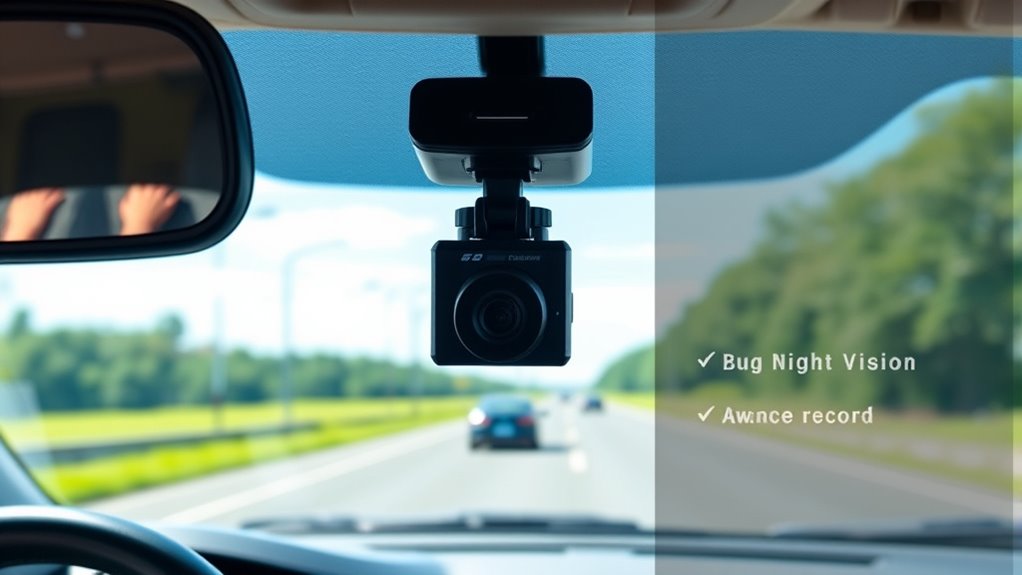
Dashcam technology has become an essential tool for drivers seeking to protect themselves on the road. When choosing a dashcam, two critical features to consider are video resolution and storage capacity. High video resolution ensures that your footage captures clear, detailed images, which can be vital if you need to review an incident or provide evidence in case of an accident. A dashcam with at least 1080p resolution is recommended, as it offers sharp images that reveal license plates, street signs, and other essential details. Some advanced models even boast 4K resolution, providing even more clarity for critical moments. However, higher resolution videos tend to take up more storage space, so it’s important to balance resolution with your dashcam’s storage capacity.
Storage capacity determines how much footage your dashcam can record before overwriting old videos. You’ll want a model that offers ample storage, especially if you plan to record continuously or take long drives. Many dashcams use microSD cards for storage, so check the maximum supported capacity—some allow up to 256GB or more. This allows for hours of footage without needing to swap cards frequently. Additionally, look for dashcams with loop recording features, which automatically overwrite the oldest videos once the storage is full, ensuring continuous recording without manual intervention. A large storage capacity combined with efficient loop recording helps you retain important footage without worry about running out of space.
Beyond resolution and storage, consider how these features work together. For example, a dashcam with high video resolution and limited storage might fill up quickly, requiring frequent management of files or card replacement. Conversely, a model with expansive storage and lower resolution might save space but sacrifice some detail in the footage. Ideally, you want a balance where your dashcam records high-quality video and has enough storage to keep footage for a reasonable period, especially during extended trips or daily commutes. Additionally, understanding the compatibility with different memory cards can prevent issues with recording and ensure optimal performance.
Ultimately, your choice should align with your driving habits and security needs. If you drive long distances or in areas prone to incidents, investing in a dashcam with superior resolution and large storage capacity makes sense. This way, you’ll have reliable, clear footage when you need it most. Remember, the goal is to capture as much detail as possible without constantly worrying about running out of space, and understanding how video resolution and storage capacity complement each other is key to making the right choice.

SANDISK 256GB High Endurance Video microSDXC Card with Adapter for dash cam and home monitoring systems – C10, U3, V30, 4K UHD, Micro SD Card – SDSQQNR-256G-GN6IA
Compatible with Nintendo-Switch (NOT Nintendo-Switch 2)
As an affiliate, we earn on qualifying purchases.
As an affiliate, we earn on qualifying purchases.
Frequently Asked Questions
How Long Do Dashcam Batteries Typically Last?
Dashcam batteries typically last between 1 to 3 years, depending on the battery lifespan and usage. You should consider models with good power management features, which help extend battery life by optimizing power consumption. Regularly check your dashcam’s battery and replace it when needed to ensure continuous recording. Proper maintenance and choosing a device with efficient power management can greatly prolong your dashcam’s battery lifespan.
Can Dashcams Operate Effectively in Extreme Weather Conditions?
Did you know that some dashcams can operate effectively in temperatures ranging from -20°C to 60°C? Many models feature a weatherproof design and high temperature tolerance, ensuring they perform reliably in extreme conditions. You can trust these dashcams to record clearly whether it’s scorching hot or freezing cold. Their rugged construction and specialized components allow them to withstand harsh weather, giving you peace of mind no matter the climate.
Do All Dashcams Require Wi-Fi for Functionality?
Not all dashcams require Wi-Fi to function. Many models offer wireless connectivity for easy setup and remote access, but they don’t rely solely on Wi-Fi. Instead, they often use features like cloud syncing to automatically upload footage when connected to a network. This allows you to access recordings from anywhere without constantly needing Wi-Fi, making your dashcam more versatile and user-friendly.
Are Dashcams Legal to Use Everywhere?
Back in the day, dashcams were just a novelty, but now, their legality varies. You need to take into account privacy concerns and local laws, as regulations differ by state or country. Some places restrict recording audio or video without consent. Also, make sure your dashcam has adequate storage capacity to record continuously. Always check your area’s rules before using a dashcam to avoid legal issues, and respect others’ privacy rights.
How Secure Is the Stored Footage From Hacking?
Your stored dashcam footage is generally secure, but cybersecurity risks exist if the device isn’t properly protected. Hackers can potentially access your footage through vulnerabilities in your network or device, so make sure your dashcam uses strong passwords and regular firmware updates. Look for models with footage encryption, which adds an extra layer of security. Staying vigilant helps keep your footage safe from hacking attempts and unauthorized access.

ARIFAYZ Dash Cam Front and Rear 4K+1080P, Free 64GB Card, Built-in WiFi, Dash Camera for Cars, Car Camera, Dual Dashcams for Cars with Night Vision, 24 Hours Parking Monitor, Loop Recording
💖💖【New Updated Features Since 17 Aug 2024】This front and rear dash cam has been upgraded to 4K+1080P from…
As an affiliate, we earn on qualifying purchases.
As an affiliate, we earn on qualifying purchases.
Conclusion
With the right dashcam features, you can boost your safety and protect your rights on the road. Did you know that a recent survey found that 85% of drivers experienced an incident where a dashcam provided essential evidence? By choosing a model with advanced night vision, GPS, and easy installation, you’re better prepared for any situation. Investing in the right dashcam isn’t just about recording—it’s about peace of mind and security every time you drive.
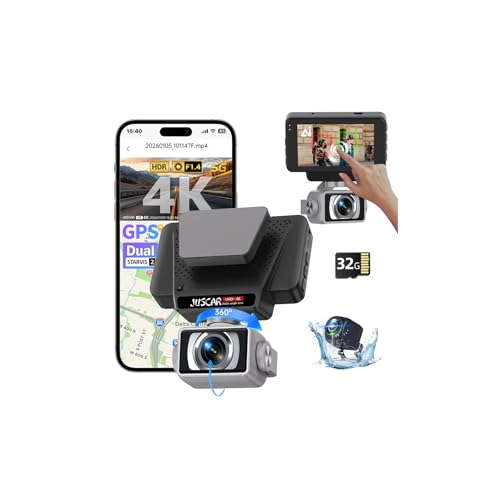
2026 AI Drive Assist 5G WiFi Dash Cam Front and Rear, UHD 4K+1080P, ADAS & GPS, 360° Rotating Front x Free 32GB Card Dual Dashcam, 3" Touch Screen, 24H Parking Mode, Support 512GB Max
【Dual AI Driving Assist】The Juscar Dash Camera with the upgraded 1.8 AI NPU chip is the perfect gift…
As an affiliate, we earn on qualifying purchases.
As an affiliate, we earn on qualifying purchases.
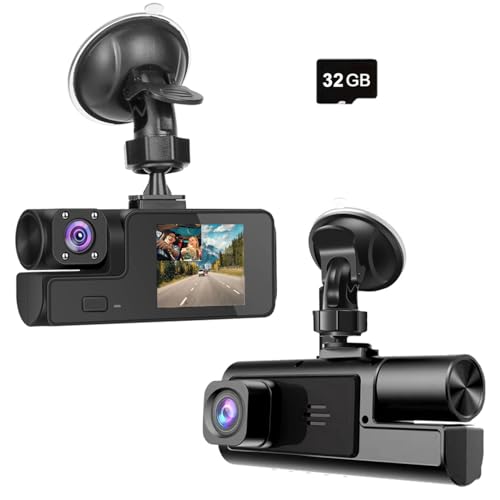
1080P Dual Dash Camera for Car Front and Inside Dashcam Car Security Video Recorder,170°Wide Angle Vehicle Cam,WDR,G-Sensor,2’’ IPS Screen,Loop Recording,Night Vision (Dual Dash Cam with 32G Card)
【1080P Front and Inside Dash Cam 】Super Clear 1920*1080P pictures can be provided by the small cam. The…
As an affiliate, we earn on qualifying purchases.
As an affiliate, we earn on qualifying purchases.