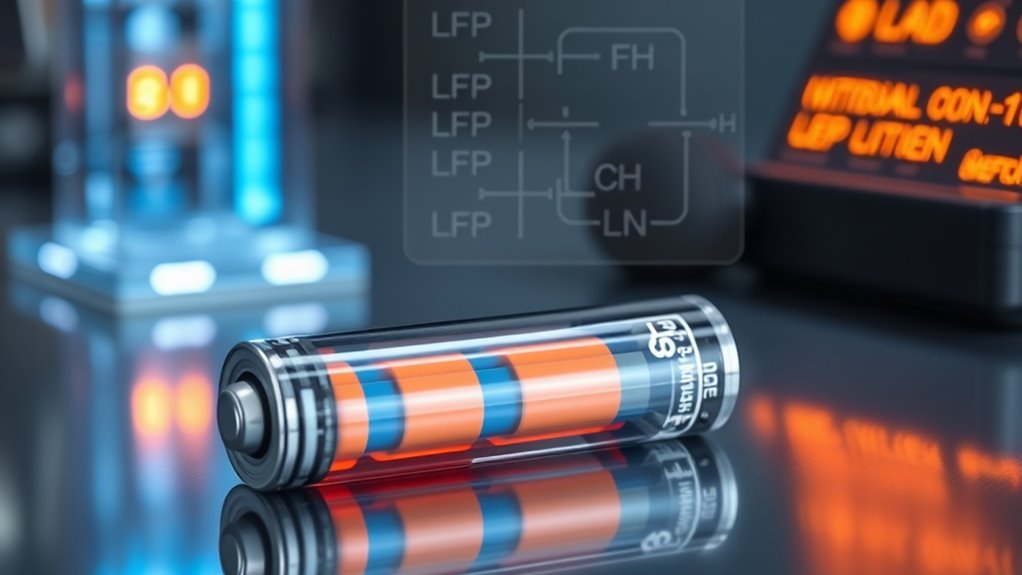

Battery tech includes lithium-ion (Li-ion) and lithium iron phosphate (LFP) batteries, each with unique benefits. Li-ion batteries are common, offering high energy density, but require careful handling and proper charging to stay safe. LFP batteries are safer and last longer, making them ideal for EVs. Using the correct charger and following proper charging habits help maximize battery life and safety. Keep exploring to uncover more tips for efficient and safe battery use.
Key Takeaways
- Lithium-ion batteries are widely used for their high energy density and long lifespan, with LFP (Lithium Iron Phosphate) offering enhanced safety.
- LFP batteries are less prone to thermal runaway, making them safer choices for EVs and energy storage systems.
- Proper charging involves using manufacturer-recommended chargers, avoiding overcharging, and preventing full discharges to extend battery life.
- Fast charging accelerates convenience but may generate more heat, so following specific guidelines ensures safety and longevity.
- Battery management systems (BMS) optimize charging, monitor health, and help prevent safety issues like overheating or overcurrent.
Battery Tech 101
Have you ever wondered what powers your smartphones, laptops, and electric vehicles? The answer lies in the complex world of battery technology, primarily lithium-ion batteries, which have become the standard due to their high energy density and long lifespan. But as you rely more on these power sources, understanding how they work, how to keep them safe, and how to recycle them becomes essential. Battery safety is a critical concern because improper handling or damage can lead to overheating, fires, or even explosions. Always use chargers recommended by the manufacturer and avoid exposing batteries to extreme temperatures or physical damage. Recognizing signs of battery issues, like swelling, excessive heat, or strange odors, can help prevent accidents. Proper disposal and recycling methods are equally important to reduce environmental harm and recover valuable materials. When batteries reach the end of their life, recycling ensures that toxic chemicals don’t leak into the environment and that valuable metals like lithium, cobalt, and nickel are reclaimed for reuse. Many recycling methods involve breaking down the batteries to extract these materials, which can then be used to produce new batteries, decreasing the need for mining raw materials. Recycling also reduces the carbon footprint associated with manufacturing new batteries, making the entire process more sustainable.
In the domain of battery tech, different chemistries like lithium iron phosphate (LFP) batteries are gaining popularity because of their enhanced safety features and longer cycle life. LFP batteries are less prone to thermal runaway, a dangerous condition that can cause fires in some lithium-ion batteries, making them a safer choice for electric vehicles and energy storage systems. When it comes to charging, proper techniques are crucial to maximize battery lifespan and safety. Using the right charger, avoiding overcharging, and not letting batteries discharge completely can prolong their usability. Fast charging is convenient but can generate more heat, so it’s best to follow manufacturer guidelines to prevent damage. Balancing convenience with safety and longevity requires understanding the nuances of different charging methods, including trickle charging and rapid charging options. Additionally, understanding the importance of battery management systems can help optimize performance and safety.
Ultimately, your role in battery safety and recycling isn’t just about protecting your devices but also about safeguarding the environment. By properly handling batteries, choosing safer chemistries like LFP when appropriate, and supporting recycling initiatives, you help reduce waste, conserve resources, and promote a more sustainable future. As battery technology continues to evolve, staying informed about safe practices and recycling methods will ensure that you get the most out of your devices while minimizing their impact on the planet.

Intelligent Charger, Snado LCD Display Universal Smart Charger for Rechargeable Batteries Li-ion Batteries 18650 18490 18350 17670 17500 16340 14500, Ni-MH/Ni-Cd A AA AAA Battery (2 Slots)
【Smart Charging Technology】Features advanced voltage regulation technology to optimize charging efficiency, paired with an intelligent power management system
As an affiliate, we earn on qualifying purchases.
As an affiliate, we earn on qualifying purchases.
Frequently Asked Questions
How Long Do Lithium-Ion Batteries Typically Last?
You can expect your lithium-ion battery’s lifespan to be around 300 to 500 full charge cycles, which usually translates to 2 to 3 years of regular use. To maximize its life, follow maintenance tips like avoiding extreme temperatures, not letting it fully discharge often, and using the right charger. Proper care helps extend your battery’s lifespan, ensuring it performs well over time.
Are There Environmental Concerns With Lithium-Ion Battery Disposal?
Yes, there are environmental concerns with lithium-ion battery disposal. When not properly recycled, these batteries can become toxic waste, releasing harmful chemicals into the environment. You should prioritize proper recycling processes to safely break down batteries and recover valuable materials. This helps prevent pollution and reduces the environmental impact of toxic waste. By responsibly disposing of your batteries, you contribute to a cleaner, safer planet for everyone.
Can I Safely Fast-Charge My Li-Ion Battery Regularly?
You can safely fast-charge your Li-ion battery regularly if your device supports fast charging safety features. However, frequent fast charging may impact battery longevity over time. To balance convenience and battery health, avoid consistently charging to 100% or letting it drain completely. Use the recommended charger and follow manufacturer guidelines to minimize risks. This way, you guarantee peak performance while protecting your battery’s lifespan.
What Are the Signs of a Failing Lithium-Ion Battery?
You’ll notice signs of a failing lithium-ion battery through battery degradation, which causes shorter usage times. Swelling and leakage are clear indicators of damage and potential safety hazards. If your device’s battery feels unusually hot, drops charge quickly, or shows visible swelling or leaks, it’s time to replace it. Ignoring these signs can lead to further damage or safety risks, so act promptly to protect your device and safety.
How Do Temperature Changes Affect Battery Performance?
Temperature changes markedly impact your battery’s performance. When it’s too hot, thermal management becomes essential because excessive heat accelerates aging and risks overheating. Cold temperatures reduce capacity and make charging slower. Temperature cycling — frequent shifts between hot and cold — stresses the battery, degrading it faster over time. To maintain ideal performance, keep your battery within recommended temperature ranges and guarantee proper thermal management, especially during extreme weather conditions.
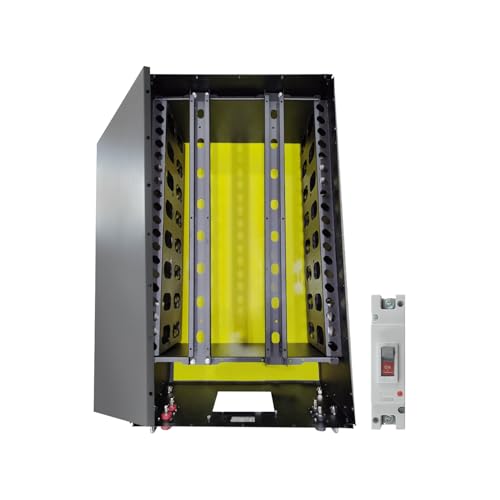
LVNOON 16S Stackable DIY Battery Box 15kwh-16kwh 48V 51.2V for LFP lifePO4 280AH 304AH 314AH 0.5C Home Solar Energy Storage Box (No BMS/LCD/Cells)
Product Overview: This is just a 48V/51.2V 15kwh stackable battery box with accessories only, this item doesn’t include…
As an affiliate, we earn on qualifying purchases.
As an affiliate, we earn on qualifying purchases.
Conclusion
Think of choosing the right battery tech like picking the perfect vehicle for your journey—each has its strengths. Just like a reliable car gets you farther with fewer stops, a well-chosen battery like Li-ion or LFP guarantees your devices last longer and charge faster. Remember, understanding these choices can be the difference between running out of juice at a critical moment or cruising smoothly. So, stay informed and keep your energy flowing seamlessly!

Electric Vehicle Battery Management & Optimization: Maximizing Performance, Longevity, and Safety in Modern EVs
As an affiliate, we earn on qualifying purchases.
As an affiliate, we earn on qualifying purchases.

OHOVIV Portable Charger Power Bank 50000mAh Battery Pack, 22.5W Fast Charging PowerBank with Built in Cables,Travel Camping Essential USB-C Portable Phone Charger for iPhone Samsung Pixel Android iPad
Huge Capacity 50000mAh Power Bank:OHOVIV Portable charger ultra-high massive capacity provides 10 charges for iPhone 15, which make…
As an affiliate, we earn on qualifying purchases.
As an affiliate, we earn on qualifying purchases.