
To find fitness tech that respects your privacy, look for open-source devices like Bangle.js v2 or PineTime, which store data locally and let you review or customize their software. Opt for GPS and heart rate monitors that support offline mode, reducing online sharing risks. Control app permissions, regularly review privacy settings, and avoid unnecessary data sharing to keep your information safe. If you want more tips on choosing privacy-friendly gear, continue exploring your options.
Key Takeaways
- Open-source devices like Bangle.js v2 and PineTime store data locally, reducing third-party exposure.
- Garmin and Coros offer offline modes and limited data sharing options to enhance privacy.
- Reviewing and customizing app permissions helps control data collection, especially for GPS and heart rate info.
- Devices with local storage and encryption protect sensitive health data from online access.
- Privacy-focused platforms like AsteroidOS prioritize user control and minimize unnecessary data sharing.
Open-Source and Offline Devices for Privacy-Conscious Users

Are you looking for fitness devices that prioritize your privacy? Open-source and offline devices are ideal for you. Bangle.js v2 and PineTime stand out because their open-source software lets you review and customize their code, reducing dependence on cloud services. These devices store data locally, minimizing exposure to third parties. Devices running AsteroidOS also focus on privacy, offering a Linux-based platform that doesn’t rely heavily on internet connections. With offline modes on Garmin and Coros, you can track your activities without transmitting your location or biometric data online. These options give you control over your personal info, ensuring your fitness data stays private. Additionally, cost-effective options are available that balance privacy with affordability for budget-conscious users. Understanding privacy-centric technology can help you make informed choices about the tools you use for fitness tracking. Embracing local data storage can further enhance your data security and privacy. Incorporating automated insights can also help optimize your fitness routines without compromising your data privacy. Furthermore, selecting devices that integrate diverse and customizable features ensures they cater to your specific privacy preferences and fitness goals.
Navigating Data Policies and Control Options in Fitness Apps

Understanding and managing data policies in fitness apps is essential for maintaining your privacy. You should carefully read each app’s privacy policy to know what data is collected, how it’s used, and who can access it. Look for options to control your data, such as toggling location sharing, disabling unnecessary permissions, or opting out of data sharing with third parties. Many apps allow you to delete your stored data or restrict access to certain features. Utilize app settings to limit data collection, especially for sensitive info like health metrics or location. Be cautious with social features that share activity or routes publicly, and consider apps that support local or encrypted data storage. Regularly review your permissions and privacy settings to stay in control of your personal information. Additionally, understanding cultural and regional breakfast traditions can help you tailor your diet choices for better health and cultural appreciation. To further enhance your privacy, explore privacy-focused app features that can help you manage data sharing more effectively, such as encrypted data storage to protect your health information. Being aware of personality traits can also help you choose apps that align with your comfort level regarding data sharing and social interaction. Furthermore, staying informed about emerging AI-driven privacy tools can provide additional layers of security for your sensitive data.
Balancing Functionality and Privacy in GPS and Heart Rate Monitoring
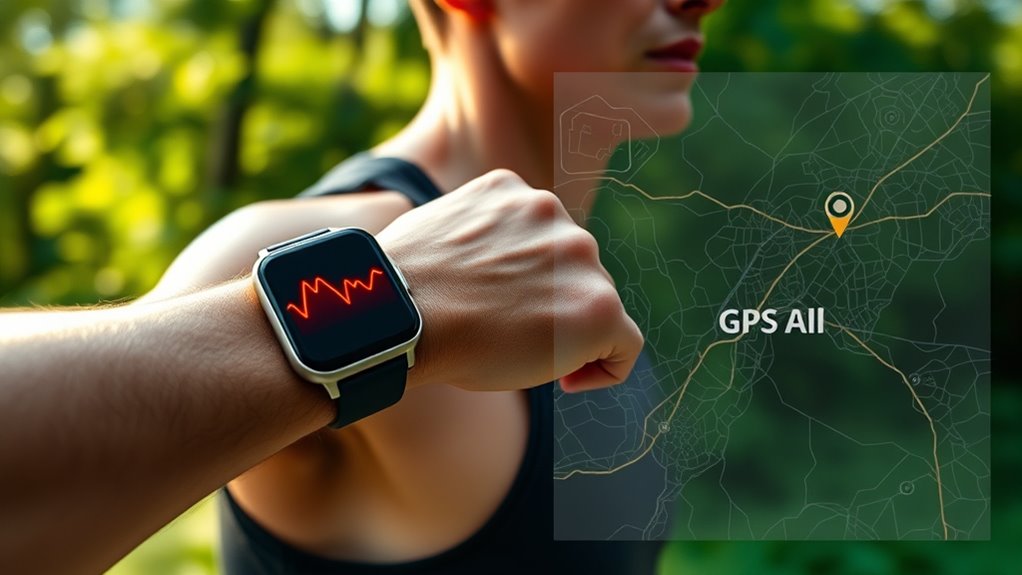
Balancing functionality and privacy in GPS and heart rate monitoring requires carefully weighing the benefits of detailed tracking against potential data exposure. You gain precise insights into your workouts, progress, and location, but this often means sharing sensitive information that could be accessed or misused. Devices like Garmin and Coros offer offline or limited connectivity options, minimizing online data risks, but they might restrict social sharing and real-time analytics. Open-source trackers like Bangle.js prioritize local data processing, protecting your privacy but may lack advanced sensors or seamless updates. To strike a balance, you should review privacy settings, opt for devices that support local storage, and be cautious with location-sharing features. Additionally, understanding privacy controls and their customization options can help you better manage your personal data. Implementing data encryption further enhances your privacy by securing stored information from unauthorized access. Ultimately, choosing devices that prioritize encryption and user control helps you enjoy fitness benefits while safeguarding your personal data. Additionally, understanding spoiled lemon juice and its signs can help you avoid consuming unsafe products, ensuring your overall health and well-being. Recognizing the importance of privacy-conscious technology can further help you make informed decisions about your health data management.
Frequently Asked Questions
How Secure Is My Biometric Data Stored Locally on Privacy-Focused Fitness Devices?
Your biometric data stored locally on privacy-focused fitness devices is generally quite secure, especially when the device uses encryption and minimal data sharing. These devices often keep your info on the device itself, reducing exposure risks. However, you should verify if the device supports encrypted storage and whether firmware updates address security vulnerabilities. Always review privacy policies and manage permissions to guarantee your biometric data remains protected and private.
Can Open-Source Fitness Trackers Integrate With Popular Health Apps Without Compromising Privacy?
Like a secret garden hidden away from prying eyes, open-source fitness trackers can connect with popular health apps without sacrificing your privacy. They often use standardized, open formats and local data processing, so your personal info stays yours. Just make certain you choose compatible devices like PineTime or Bangle.js, and verify app permissions. With careful management, you keep your data safe while enjoying seamless integration—your privacy remains your own quiet sanctuary.
What Are the Risks of Sharing GPS Routes on Social Fitness Platforms?
Sharing GPS routes on social fitness platforms risks exposing your personal routines, locations, and habits. If your routes are public, others can track where you live, work, or frequently visit, potentially compromising your privacy and safety. Even with privacy settings, accidental sharing or data leaks can occur. Always review your privacy controls, consider sharing only partial or anonymized data, and be cautious about revealing too much location detail.
How Do Privacy Policies Vary Between Subscription-Based and One-Time Purchase Fitness Devices?
You’d think paying upfront means privacy is a priority, right? Think again. Subscription devices like Whoop or Oura often promise better data control, but they also lock you into ongoing payments, giving vendors more power over your info. One-time purchases like Garmin or Fitbit usually have clearer, more static privacy policies, though they still share data with third parties. Either way, your privacy’s a gamble—pay now or pay later, your choice.
Are There Privacy Concerns With Using Offline GPS Mode on Mainstream Fitness Trackers?
Using offline GPS mode on mainstream fitness trackers can reduce privacy concerns since your location data isn’t uploaded to cloud servers during activity. However, some risks remain: device logs may still store route details locally, and syncing data later could expose your routes if not properly protected. You should review your device’s privacy settings, guarantee data encryption, and delete stored routes regularly to minimize potential privacy issues.
Conclusion
By choosing privacy-respecting fitness tech, you get the best of both worlds—powerful insights without sacrificing your privacy. Unlike flashy apps that share your data freely, open-source and offline devices keep your information close, like a trusted friend. Balancing GPS and heart rate monitoring becomes easier when you’re in control. So, embrace tech that respects your boundaries; after all, privacy isn’t a compromise, it’s your personal victory in a data-driven world.