You should consider a full-frame camera when you want better low-light performance, sharper images, and more control over depth of field. They excel in challenging conditions like indoors or dusk, helping you capture detailed, noise-free shots. Their larger sensors also improve dynamic range, making your scenes look more vivid. Although bigger and pricier, the quality boost is worth it for serious photographers enthusiastic to elevate their work—keep exploring to uncover all the benefits.
Key Takeaways
- They excel in low-light conditions, producing cleaner, sharper images without high ISO noise.
- Larger sensors create a more pronounced background blur, ideal for portraits and artistic shots.
- Full-frame cameras offer superior dynamic range, capturing scenes with high contrast and detail in shadows and highlights.
- The increased size and cost may impact portability and budget, requiring high-quality lenses to maximize benefits.
- They are best suited for professional or enthusiast photographers seeking maximum image quality and creative control.
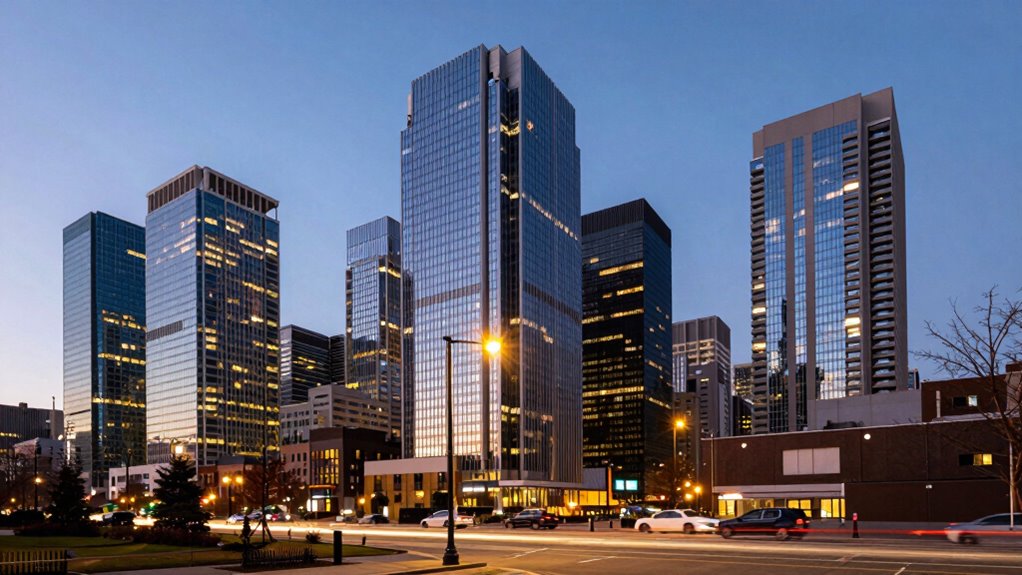
Another significant benefit of a larger sensor is its exceptional low light performance. Because full-frame sensors gather more light per pixel, they excel in environments with limited illumination. When shooting indoors, at dusk, or in cloudy conditions, you’ll find that images stay sharp and detailed without resorting to excessive ISO settings. This capability is especially crucial for low light photography, where achieving clarity can be challenging with smaller sensors. It means less noise, cleaner images, and better overall quality in challenging lighting. You won’t have to compromise on shutter speed or aperture as much, giving you more flexibility to capture sharp, well-exposed shots even in difficult situations. Sensor size also influences depth of field, allowing for more pronounced background blur and subject separation. If you’re a landscape photographer, a portrait artist, or someone who enjoys capturing moments in less-than-ideal lighting, a full-frame camera can truly make a difference. Additionally, the larger sensor size can contribute to energetic alignment between your intentions and the outcome, helping you manifest your creative visions more effectively.
Furthermore, larger sensors often enable better dynamic range, which is vital for capturing scenes with high contrast and maintaining detail in both shadows and highlights. If you are committed to creative control, investing in a full-frame camera can significantly enhance your ability to craft compelling images. However, this leap in sensor size and low light capability often comes with considerations beyond image quality. Full-frame cameras tend to be larger, heavier, and more expensive than their smaller-sensor counterparts. They also require high-quality lenses to fully realize their potential, which can add to your overall investment. But if your priority is achieving the best possible image quality and working in a variety of lighting conditions, these trade-offs are often worth it. You’ll notice the difference in sharpness, clarity, and detail right from the first shot. For professionals and serious enthusiasts alike, a full-frame camera can elevate your work and give you the confidence to handle any shooting scenario with greater ease and precision.
As an affiliate, we earn on qualifying purchases.
Frequently Asked Questions
How Do Full-Frame Sensors Affect Camera Weight and Portability?
Full-frame sensors tend to make cameras heavier and larger due to their bigger sensor size, impacting portability. You might notice increased weight, which affects camera ergonomics during extended shoots or travel. While they offer superior image quality, you’ll need to balance the benefits against the practicality of carrying a more substantial, less portable camera. If portability is essential, consider whether the sensor size’s advantages outweigh the added weight.
Are Full-Frame Cameras Suitable for Beginner Photographers?
Full-frame cameras can be friendly for beginners, but their larger sensor size often means heftier weight and higher costs. You’ll find that the advanced features may feel overwhelming initially, but they also offer exceptional image quality and creative control. If you’re enthusiastic to learn and ready to invest, a full-frame camera can suit a beginner’s curiosity, providing a solid foundation for developing skills while embracing the benefits of premium sensor performance.
What Is the Cost Difference Between Full-Frame and Crop-Sensor Cameras?
You’ll find that full-frame cameras are generally more expensive than crop-sensor models due to their larger sensor size, which offers superior image quality. The cost difference can range from a few hundred to over a thousand dollars, depending on the brand and features. While the higher price reflects better sensor performance, consider your budget and photography needs before deciding if the investment in image quality is worth it.
Do Full-Frame Cameras Require Different Lenses Than Crop Sensors?
Think of sensor size as a different language—full-frame cameras do require different lenses due to their larger sensor size and lens compatibility. You can’t just swap lenses from a crop sensor to a full-frame without considering these differences, as full-frame lenses are designed to cover the bigger sensor. This means you’ll need to invest in specific lenses that match your camera’s sensor size for ideal image quality.
How Does Low-Light Performance Compare in Full-Frame Versus Smaller Sensors?
You’ll notice that full-frame cameras generally outperform smaller sensors in low-light conditions, thanks to their larger sensor size. This results in less sensor noise and better image quality, especially at higher ISO settings. With a full-frame, you can shoot in dim environments without sacrificing detail or clarity. Smaller sensors tend to produce more noise and less sharp images in low light, making full-frame the better choice for challenging lighting situations.
Conclusion
Switching to a full-frame camera is like upgrading from a bicycle to a sports car—you’ll notice the difference in quality and detail immediately. I remember a photographer friend who made the leap and captured a sunset so vivid, it looked like the sky was on fire. If you’re serious about elevating your craft, investing in a full-frame camera is worth the leap. It’s not just gear; it’s your ticket to capturing moments in their truest, most breathtaking form.